Jan 10
Quinn Erotica App Apologizes After Editing Out ‘Trans Women’ From 'Heated Rivalry' Promo
READ TIME: 3 MIN.
Audio erotica app Quinn has apologized and pledged reforms after an edited promotional clip for one of its shows appeared to erase transgender women, triggering days of criticism from fans and LGBTQ+ advocates.
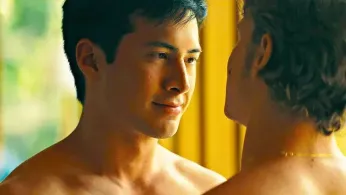
The controversy centers on an interview with actors Hudson Williams and Connor Storrie, who star as rival hockey players and lovers in the gay romance series Heated Rivalry, available on Crave in Canada and on HBO Max in other territories. Quinn had also cast the pair as leads in its fantasy audio drama Ember & Ice, and recorded a promotional conversation about why male/male romance resonates with women audiences.
In the full interview, Williams responded to a question about the show’s appeal by noting that its fandom includes “straight women, ” “trans women, ” and “gay women, like queer women, ” emphasizing the wide range of women engaging with the story. However, in a short-form clip shared by Quinn on social media, the phrase “trans women” was removed, leaving only “straight women” and “gay women, like queer women. ”
Viewers quickly noticed the discrepancy after comparing the posted clip with the full interview, and multiple users on X publicly questioned why the reference to transgender women had been edited out. Some fans argued that the cut reframed Williams’s answer, changing it from a list of different kinds of women into a list that appeared to focus only on sexual orientations while omitting a marginalized group.
On January 3, Quinn’s official X account replied to a user who asked why “trans women” had been removed, initially defending the decision as an editorial choice. According to screenshots reported by LGBTQ+ outlet The Advocate, Quinn wrote that Williams “was listing sexual orientations and we wanted to distinguish the two, ” suggesting the mention of transgender women was cut to avoid conflating gender identity and sexual orientation.
That explanation produced further backlash, with commenters stressing that Williams had explicitly said he was talking about “different types of women, ” not orientations, and that removing “trans women” amounted to trans erasure. One user quoted by The Advocate wrote that he was “listing types of women, as he said, not types of sexual orientations, ” urging the company to “do better. ”
Within about a day, Quinn issued a more expansive public apology on its social channels. In that statement, the company acknowledged that “we made a mistake, ” said it understood “why this edit was offensive and exclusionary, ” and clarified that its intent was to avoid conflating gender identity with sexual orientation. “Removing that portion from the short-form interview was a mistake, ” the company said, adding, “We should have handled it differently. ”
Quinn further stated that it “supports trans women and trans stories” and that it has “trans members of our team and community who we see, value, and deeply appreciate. ” The platform pledged to continue expanding its catalog of work by transgender creators and about transgender characters.
As part of its response, Quinn announced a $25, 000 donation to Trans Lifeline, a nonprofit that operates peer-support hotlines and other services for transgender people in the United States and Canada. The company described the donation as “a sign of solidarity with the trans community” and said it was grateful to fans for holding it accountable. LGBTQ+ outlet Out also noted Quinn’s apology and donation in its broader coverage of early 2026 queer culture stories.
The incident highlights how editing decisions in marketing and short-form content can impact transgender visibility, especially when creators or performers intentionally name trans audiences. Williams’s original decision to explicitly include “trans women” in his answer was widely praised by fans who saw it as a meaningful recognition of transgender women’s role within romance and fandom communities.
Advocates have long emphasized that naming transgender people directly—rather than subsuming them into broader categories—is an important part of affirming their identities and combating erasure. In this case, the outcry and swift course correction suggest that many queer and trans audiences are closely watching how media platforms, including adult and erotica spaces, talk about and represent them.
Quinn concluded its statement by promising that “it will not happen again” and thanking the community for raising concerns. For many transgender listeners and their allies, the episode has become a reminder that even platforms that market themselves as queer‑friendly must be attentive to how editorial choices can either affirm or undermine transgender inclusion.