5 hours ago
Ricky Martin Responds After OnlyFans Promo Sparks AI Image Debate
READ TIME: 3 MIN.
The use of an image of Puerto Rican singer and actor Ricky Martin in a recent promotional campaign by OnlyFans user Mario Salvador has ignited discussion about the role of artificial intelligence in celebrity imagery and the importance of clear consent and transparency, particularly when LGBTQ+ figures are involved. The promotional visual, which circulated widely on social media channels and in platform marketing, led some viewers to question whether the image had been created or substantially altered by AI tools, due to its highly stylized and seemingly hyper-real appearance.
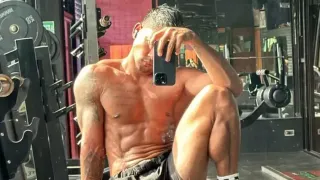
Ricky Martin, who has long been an openly gay global music icon and advocate for LGBTQ+ equality, has attracted considerable attention in 2025 for a series of viral, highly polished images posted to his official Instagram account . In October 2025, Martin drew widespread media coverage for sharing a revealing selfie that showcased his torso and gym progress, with entertainment outlets noting the intensity of fan reactions and the level of detail and retouching in the imagery. Around the same period, additional outlets characterized Martin’s photos as “raunchy,” “thirst traps,” and “jaw-dropping,” underscoring how his digital visual identity has increasingly centered on hyper-produced, high-definition images.
Following the rollout of the OnlyFans promotional material, viewers on social media began comparing the campaign image with recent photographs from Martin’s verified Instagram, debating whether the image looked “too perfect” to be a traditionally shot photograph. Some users questioned whether AI-based enhancement or generative tools had been used without clear labeling, raising concerns about how platforms use the likeness of queer celebrities in marketing without plainly indicating the extent of digital manipulation. These conversations intersect with broader public debates in 2025 over AI-generated images, deepfakes, and image-based consent that affect LGBTQ+ communities, including gay men, transgender people, non-binary people, and other queer individuals who are highly visible online.
In response to the speculation, Ricky Martin himself directly debunked the image, clarifying that it was not based on real photography and was not part of any authorized branding or visual strategy. While acknowledging that high-end retouching and digital post-production are common in entertainment marketing, the response emphasized that Martin had not authorized the creation of a fully synthetic AI likeness for the campaign. This clarification aimed to reassure fans that Martin remained in control of how his image is presented, amid a media climate in which generative AI tools can be used to fabricate or modify human likenesses in ways that are not always obvious to viewers.
The incident has also prompted commentary from LGBTQ+ media advocates who highlight that queer and trans public figures have historically faced non-consensual image use and misrepresentation, from tabloid outings to unauthorized erotic content. Organizations such as the Human Rights Campaign and GLAAD have documented cases where image manipulation and digital harassment disproportionately harm LGBTQ+ people, particularly transgender women, non-binary people, and queer people of color, who can face both reputational damage and heightened offline risk when their likeness is misused.
Experts on digital rights note that the rapid spread of AI tools capable of altering or generating images has outpaced public understanding and regulatory frameworks, leaving many LGBTQ+ creators, sex workers, and influencers with limited recourse when their faces or bodies are used without consent. This is particularly relevant on subscription platforms like OnlyFans , which host adult and sexually explicit content and are frequently used by LGBTQ+ content creators to monetize their work. Advocates argue that these platforms have a responsibility to implement clear labeling for AI-generated or AI-altered content and to adopt robust consent and reporting mechanisms for users whose images are misused.
For many LGBTQ+ people, seeing an out gay artist such as Ricky Martin maintain control and transparency over his image has symbolic importance, given his decades-long visibility as a Latin pop star who came out publicly in 2010 and has since spoken about the importance of authenticity and self-acceptance. Media scholars and LGBTQ+ advocates note that authenticity in representation—whether in music videos, marketing campaigns, or social platforms—can influence how queer and trans audiences perceive their own bodies and identities in an era saturated with filtered and AI-influenced imagery.
The OnlyFans controversy, while limited in scope, has contributed to growing calls from LGBTQ+ organizations and digital rights groups for clearer global standards around AI, image consent, and the responsible use of queer and trans bodies in media and advertising. As more celebrities and everyday users alike encounter AI-influenced representations of themselves online, advocates stress that inclusive, consent-centered policies are essential to protect LGBTQ+ communities from exploitation, misrepresentation, and digital harm.